IV Therapy and Preventive Health: When Can Intravenous Treatment Make a Difference?
Explore the role of IV therapy in hydration, nutritional deficiencies and preventive health, including when intravenous treatment may be appropriate.
Preventive healthcare is not simply about avoiding illness. It is about understanding what your body needs, recognising potential health problems early and making informed decisions about your wellbeing.
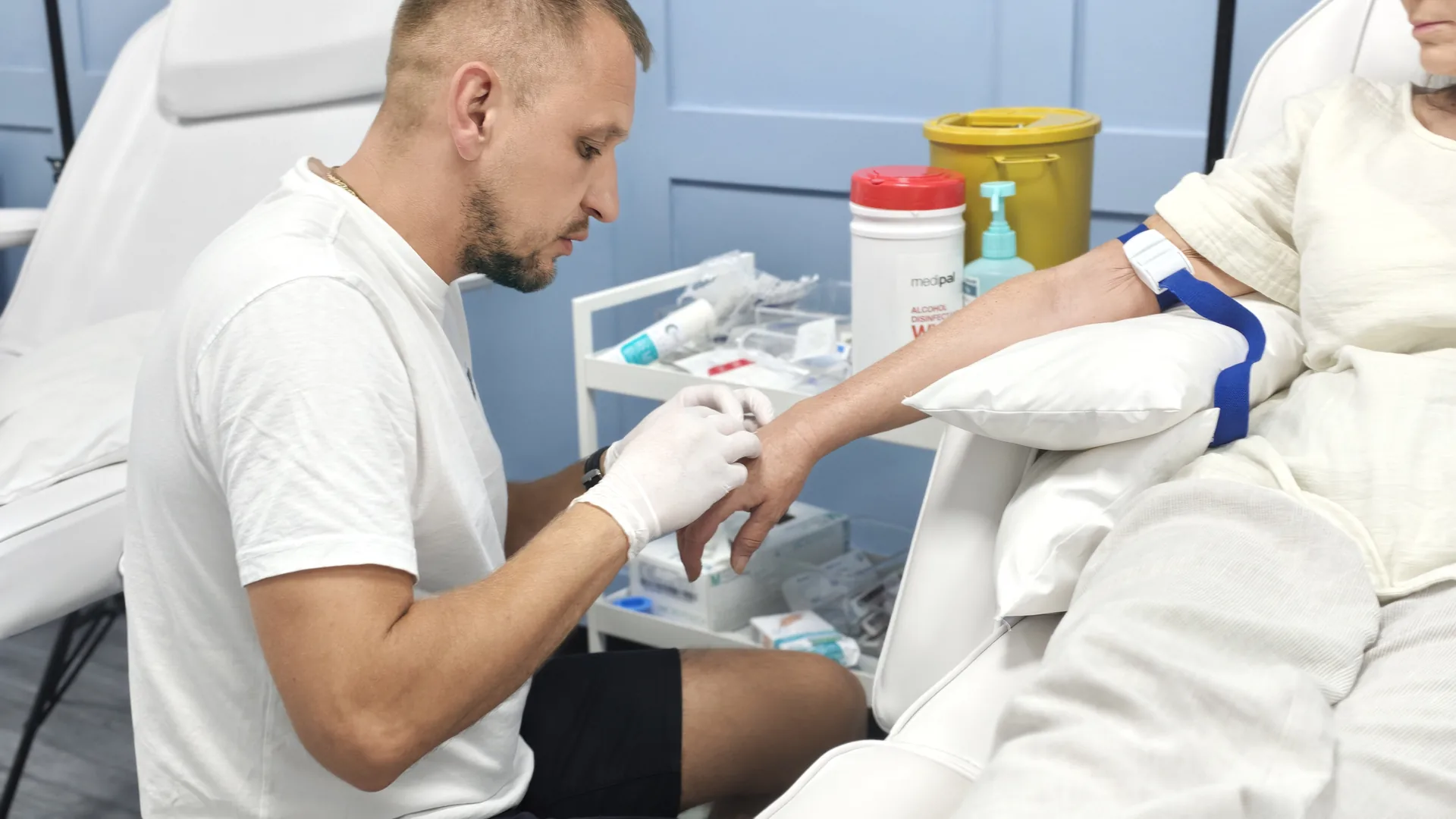
One area attracting increasing interest is intravenous (IV) therapy. By delivering fluids and selected nutrients directly into the bloodstream, intravenous administration bypasses the digestive system and allows precise control over what is administered.
But what are its actual advantages, and when might it be useful?
Understanding the role of IV therapy
Vitamins and minerals are essential to numerous biological processes, including energy metabolism, nerve function, tissue repair and normal immune activity.
Under ordinary circumstances, a balanced diet provides most of the nutrients the body needs. However, certain medical conditions can interfere with nutrient absorption, increase nutritional requirements or result in significant fluid loss.
Intravenous administration can be valuable in specific clinical situations because it does not depend on gastrointestinal absorption.
This is an important distinction: delivering a nutrient directly into the bloodstream does not automatically mean that a healthy person will experience additional health benefits.
1. Dehydration and fluid replacement
Adequate hydration supports circulation, temperature regulation, kidney function and the body's normal physiological processes.
Dehydration can develop following prolonged vomiting, diarrhoea, illness or substantial fluid loss.
For most mild cases, drinking fluids and using oral rehydration solutions are appropriate. In more serious situations, particularly when oral intake is not possible or sufficient, medically prescribed intravenous fluids may be necessary.
IV fluid therapy is a well-established clinical intervention for restoring fluid and electrolyte balance when oral replacement cannot meet the patient's needs.
The distinction between mild dehydration and a medical emergency is essential. Severe dehydration requires urgent medical assessment rather than a routine wellness appointment.
2. Nutrient deficiencies and impaired absorption
Nutrient deficiencies may develop because of inadequate dietary intake, digestive disorders, certain medications or previous gastrointestinal surgery.
For example, vitamin B12 deficiency can cause fatigue, weakness, neurological symptoms and, in some cases, anaemia.
People with conditions affecting nutrient absorption, including coeliac disease, autoimmune gastritis or certain consequences of gastrointestinal surgery, may require specific replacement strategies.
Depending on the cause, vitamin B12 replacement may involve oral supplements or intramuscular injections. An IV vitamin mixture is not a direct substitute for appropriately prescribed B12 treatment.
Another example is iron deficiency anaemia. Intravenous iron can be medically indicated when oral iron is ineffective, poorly tolerated or unsuitable.
These examples demonstrate why the route of nutrient administration can matter in particular medical conditions. They do not mean that all IV vitamin formulations have the same therapeutic effects.
3. Preventive health and early identification of deficiencies
Preventive care also involves identifying nutritional problems before they become more serious.
Persistent fatigue, dietary restrictions, unexplained weakness or symptoms associated with malabsorption may justify further assessment.
Targeted blood tests can help identify deficiencies and inform decisions about supplementation or further investigation.
Rather than automatically choosing an infusion, a more useful question is: What is causing the symptoms, and what intervention is most appropriate?
4. Can IV therapy prevent illness?
Some IV wellness formulations contain vitamin C, B vitamins, minerals or amino acids.
These substances have recognised physiological roles. However, evidence that routine IV vitamin infusions prevent infections, improve immunity or increase energy in otherwise healthy people remains insufficient.
Correcting an established deficiency is different from increasing nutrient concentrations above normal levels.
Effective prevention generally involves a combination of appropriate nutrition, physical activity, sleep, vaccination where indicated, and assessment of individual health risks.
IV therapy should be considered within that wider context rather than as a replacement for everyday preventive healthcare.
Is IV therapy suitable for everyone?
No. Intravenous procedures involve potential risks, including infection, irritation at the injection site, adverse reactions and excessive fluid or electrolyte administration.
People with kidney disease, heart failure, certain metabolic conditions or complex medication regimens may require additional precautions.
A clinical assessment should establish whether intravenous administration is appropriate and whether a less invasive option could achieve the same objective.
A personalised approach at Just Vitality Clinic
At Just Vitality Clinic in Hull, clients can explore a range of IV supplementation options, including Vitamin C, Myers Cocktail and other nutritional formulations.
The clinic is also preparing its private blood testing service. Clients interested in blood testing can currently contact the clinic to enquire about availability and arrangements.
A responsible approach to wellbeing begins with understanding individual needs, recognising the limits of available evidence and choosing interventions for a clear purpose.